What to Do If Your Car Overheats NZ (Step-by-Step Guide)
- cars.org.nz

- Mar 3
- 5 min read
Updated: Mar 6
What to Do If Your Car Overheats in NZ
Car overheating is a common and potentially serious problem. Knowing how to respond when your car overheats can prevent major engine damage, costly repairs, or getting stranded on the side of the road.

This guide will cover:
Step-by-step instructions if your car overheats
Tools and safety tips
Common causes of overheating
Maintenance advice to prevent overheating
Costs of repairs and replacement parts in NZ
FAQs and troubleshooting tips
For full roadside preparation, also review How to Jump Start a Car in NZ, How to Change a Flat Tyre in NZ, and How to Change a Car Battery in NZ.
Step-by-Step: What to Do if Your Car Overheats
Step-by-step instructions are placed near the top for easy reference, Google snippet optimisation, and reader usability.
Step 1: Safely Pull Over ✓
Immediately move off the road to a safe location
Turn on hazard lights
Engage the handbrake
Turn off the engine to prevent further damage
Safety Tip: Do not continue driving — this can warp your engine or cause a blown head gasket.
Step 2: Allow the Engine to Cool
Open the bonnet carefully
Wait at least 15–30 minutes before touching any components
Never open the radiator cap while the engine is hot
Hot steam or coolant can cause serious burns.
Step 3: Check Coolant Levels ✓
After the engine has cooled, check the coolant reservoir
Top up with the recommended engine coolant if low
Use a funnel and avoid spilling on hot engine parts
Tip: Always carry a spare bottle of coolant in your boot for emergencies.
Step 4: Inspect for Leaks and Damage
Look for visible leaks around hoses, radiator, or water pump
Check the radiator cap for damage
Examine belts for signs of wear
Minor leaks may be temporarily sealed with an emergency coolant additive, but full repairs are necessary.
Step 5: Restart the Engine Carefully
If coolant level is sufficient and there are no visible leaks, restart the engine
Keep the heater on full — this draws heat away from the engine
Monitor the temperature gauge closely
Tip: If the temperature rises again immediately, turn off the engine and call for assistance.
Step 6: Drive Slowly and Safely
Avoid high speeds or heavy acceleration
Turn off air conditioning to reduce engine load
Stop periodically to check the temperature gauge
Driving carefully helps prevent recurring overheating and further damage.

Common Causes of Car Overheating in NZ
1. Low Coolant Levels ✓
Often due to leaks or evaporation
Easy to prevent by regular checks
2. Faulty Thermostat
Prevents coolant from circulating properly
Symptoms: engine reaches high temperature quickly
3. Radiator Problems
Blockages, leaks, or corrosion reduce cooling efficiency
4. Water Pump Failure
Prevents coolant from circulating
Causes rapid overheating and potential engine damage
5. Clogged or Dirty Radiator
Reduces airflow
Often caused by debris, mud, or insects
6. Broken or Loose Belts
Drive the water pump
Can cause sudden overheating
Preventing Overheating: Maintenance Tips for NZ Drivers
✓ Check coolant levels monthly
✓ Inspect hoses and belts every 6–12 months
✓ Flush radiator as recommended by the manufacturer
✓ Use the correct coolant type for your car
✓ Ensure fans and thermostats are functioning
✓ Keep your radiator and air intake clean
Proper maintenance reduces the risk of overheating and engine failure.
Seasonal Considerations in NZ
Summer (Hot & Humid):
Keep coolant topped up
Park in shade when possible
Inspect radiator and fans for debris
Winter (Cold & Frost):
Use the recommended antifreeze mixture
Check hoses and belts for brittleness
Avoid sudden heavy acceleration until the engine warms
Emergency Tools and Tips to Carry in Your Car
Spare engine coolant or water
Funnel for easy pouring
Gloves and safety glasses
Cooling spray (optional)
Tow rope or roadside assistance contacts
Being prepared can prevent engine damage and keep you safe.
Troubleshooting Common Overheating Problems ✓
Car overheats even with full coolant: Could indicate a broken thermostat, water pump, or blocked radiator
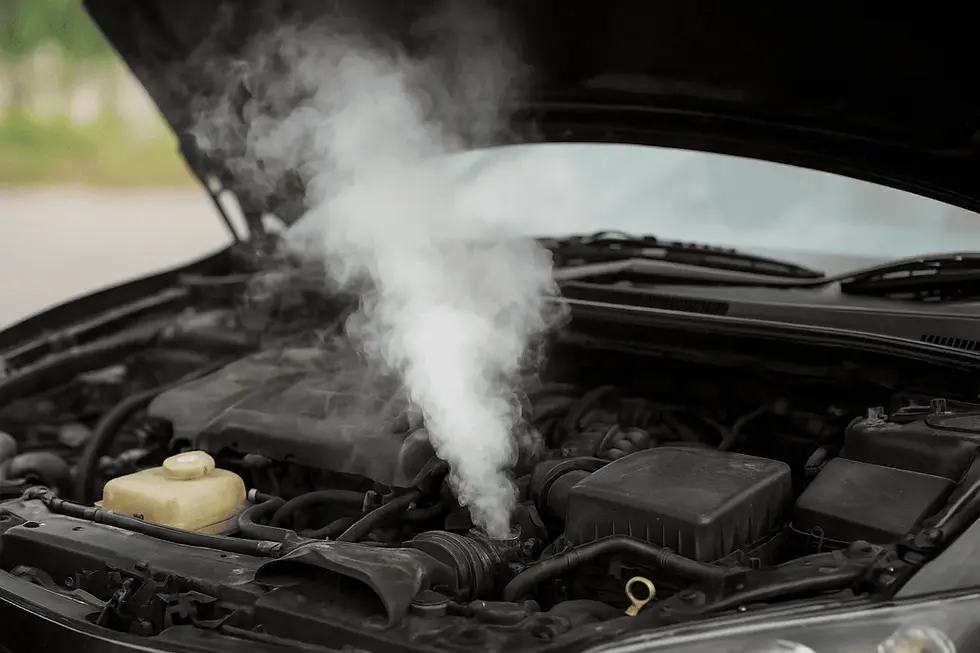
Steam from engine: Turn off the engine immediately
Coolant leaks: Replace hoses, radiator, or use emergency sealant temporarily
Temperature gauge fluctuates: Could indicate a failing thermostat or sensor
Persistent problems require a professional mechanic inspection.
Costs of Overheating Repairs in NZ
Coolant flush: $80–$150
Thermostat replacement: $120–$250
Radiator replacement: $300–$800 depending on car model
Water pump replacement: $250–$600
Emergency roadside assistance: $50–$150
Preventative maintenance is cheaper than repairing overheating damage.
Legal and Safety Considerations in NZ
Ensure your car is WOF compliant
Avoid driving an overheating car — engine damage can cause accidents
Carry necessary emergency equipment in your vehicle
Dispose of used coolant safely at approved recycling facilities
Following NZ road safety rules and manufacturer guidelines ensures compliance and safety.

Frequently Asked Questions (FAQs)
Q1: What should I do immediately if my car overheats?
A: ✓ Pull over safely, turn off the engine, and allow it to cool for 15–30 minutes.
Q2: Can I continue driving if the engine is overheating?
A: ❌ No — continuing to drive risks severe engine damage.
Q3: How can I prevent my car from overheating in NZ summer?
A: ✓ Keep coolant topped up, check radiator and fans, park in shade.
Q4: Is it safe to remove the radiator cap while the engine is hot?
A: ❌ Never — hot coolant can spray and cause burns.
Q5: How often should I check my coolant in NZ?
A: ✓ At least once a month, and before long trips.
Q6: Can low oil cause a car to overheat?
A: ✓ Yes — low oil reduces engine lubrication, increasing heat. Check How to Check Engine Oil in NZ.
Q7: What if my car overheats on the motorway?
A: ✓ Move to a safe lane, turn on hazards, and follow the cooling steps above. If unsafe, call roadside assistance.
Q8: Can overheating damage my engine permanently?
A: ✓ Yes — can warp the head gasket, cylinder head, or block. Early action prevents major repairs.
Car overheating is a serious but manageable problem.
By following this guide, you can:
✓ Prevent engine damage
✓ Stay safe on NZ roads
✓ Identify the cause early
✓ Reduce repair costs


Comments