How to Check Tyre Pressure NZ (And What It Should Be)
- cars.org.nz

- Mar 4
- 4 min read
Updated: Mar 6
Maintaining the correct tyre pressure is one of the simplest yet most important car maintenance tasks in New Zealand.
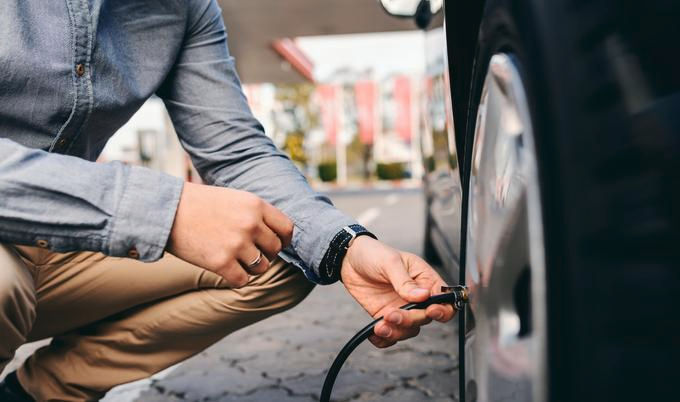
Incorrect tyre pressure affects:
✓ Fuel economy
✓ Tyre lifespan
✓ Braking distance
✓ Steering control
✓ WOF compliance
Whether you're commuting daily or heading on a long road trip, knowing how to check tyre pressure properly can save money and improve safety.
Step-by-Step: How to Check Tyre Pressure
Step 1: Find Your Recommended Tyre Pressure ✓
Do NOT use the pressure printed on the tyre sidewall.
Instead, check:
Driver’s door frame sticker
Owner’s manual
Fuel cap (some vehicles)
Most passenger vehicles in NZ require approximately:
30–36 PSI
Always follow manufacturer specifications.
Step 2: Check Tyres When Cold ✓
Tyres should be checked:
Before driving
Or after sitting for at least 3 hours
Driving heats tyres and increases PSI, giving an inaccurate reading.
Step 3: Remove Valve Cap
Unscrew the small cap on the tyre valve stem.
Keep it somewhere safe — they’re easy to lose.
Step 4: Use a Tyre Pressure Gauge ✓
Press the gauge firmly onto the valve.
You’ll hear a short burst of air.
The gauge will display the PSI reading.
Types of gauges:
Digital (most accurate)
Dial
Pen-style
Step 5: Compare to Recommended PSI
If reading is:
Lower → Inflate
Higher → Release air
Correct → Replace valve cap
All four tyres should match recommended pressure.
Step 6: Repeat for All Tyres ✓
Don’t forget:
Rear tyres
Spare tyre (important for emergencies)

What Should Tyre Pressure Be in NZ?
There is no universal PSI for all vehicles.
Typical ranges:
Small cars: 30–34 PSI
SUVs: 32–38 PSI
Utes (light load): 35–45 PSI
Fully loaded vehicles may require higher PSI
Always check manufacturer specifications.
Why Correct Tyre Pressure Matters
Safety ✓
Underinflated tyres:
Increase braking distance
Reduce steering response
Increase risk of blowouts
Overinflated tyres:
Reduce grip
Cause uneven wear
Increase stopping distance in wet conditions
Fuel Economy
Underinflated tyres create rolling resistance.
This means:
Engine works harder
More fuel consumption
Higher running costs
Correct pressure can improve fuel efficiency by 3–5%.
Tyre Lifespan ✓
Incorrect pressure causes uneven wear:
Underinflated → worn edges
Overinflated → worn centre
Tyres are expensive — correct PSI extends life.
How to Inflate Tyres at a Petrol Station
Most NZ petrol stations have air pumps.
Steps:
Park next to air station
Set desired PSI
Attach hose to valve
Wait until machine beeps
Remove hose and replace cap
Most stations are free, others charge $1–$2.
How Often Should You Check Tyre Pressure?
Recommended:
✓ Once per month
✓ Before long trips
✓ When temperature changes significantly
✓ If dashboard tyre pressure warning appears
Modern cars may have TPMS (Tyre Pressure Monitoring System). If warning light appears, check pressure immediately.

Signs Your Tyre Pressure Is Wrong
Car pulling to one side
Steering feels heavy
Uneven tyre wear
Increased fuel use
TPMS warning light
Visible flat-looking tyre
If tyre is fully flat, refer to:How to Change a Flat Tyre in NZ
Tyre Pressure and WOF in NZ
Incorrect tyre pressure can contribute to:
Uneven tyre wear
Tyres below legal tread depth
Handling instability
Maintaining proper pressure helps pass WOF inspections.
Seasonal Tyre Pressure Tips in NZ
Winter
Cold air reduces PSI.
Pressure drops roughly:
1–2 PSI per 10°C drop
Check more frequently in colder regions.
Summer
Heat increases PSI.
Check tyres before long motorway drives.
Common Tyre Pressure Mistakes ✓
✓ Using tyre sidewall PSI instead of manufacturer recommendation
✓ Checking tyres when hot
✓ Forgetting spare tyre
✓ Ignoring TPMS light
✓ Overinflating for “better fuel economy”

Frequently Asked Questions
Q1: What is the correct tyre pressure for my car?
A: Check the sticker inside the driver’s door or your owner’s manual. Most standard vehicles in NZ require between 30–36 PSI, but always follow manufacturer specifications.
Q2: Can I drive with low tyre pressure?
A: You can, but it is unsafe. Low tyre pressure increases braking distance, reduces fuel efficiency, and increases the risk of tyre damage. Inflate as soon as possible.
Q3: Does tyre pressure affect fuel economy?
A: Yes. Underinflated tyres increase rolling resistance, which means your engine works harder and burns more fuel.
Q4: Should front and rear tyres have the same PSI?
A: Often yes, but some vehicles require slightly different pressures front and rear. Always follow your manufacturer’s recommendation.
Q5: How do I know if my tyres are overinflated?
A: Overinflated tyres may feel stiff while driving and typically wear more quickly in the centre of the tread.
Q6: How much does it cost to inflate tyres in NZ?
A: Many petrol stations offer free air. Some charge around $1–$2 per use.
Q7: Do I need to check spare tyre pressure?
A: Yes. Many drivers forget the spare tyre, but it should be checked regularly to ensure it’s usable in an emergency.
Final Thoughts
Checking tyre pressure is:
✓ Quick
✓ Free
✓ Improves safety
✓ Saves money
✓ Extends tyre life
It’s one of the easiest car maintenance tasks — yet one of the most overlooked.


Comments